Sheet Metal and Steel Fabrication in Dubai — What Gets Results and What Causes Rework
Fabrication done right is invisible. The parts fit, the welds hold, the finish is clean, and nothing needs to be redone on site. Fabrication done wrong shows up exactly when it’s most inconvenient — during installation, under load, or six months after handover when a surface treatment that wasn’t specified correctly starts failing.
Sheet Metal Fabrication In Dubai — Where Precision Actually Begins
Sheet metal fabrication in Dubai serves a wide range of industries. HVAC ductwork, electrical enclosures, architectural cladding, kitchen equipment, signage structures, marine fittings, and custom interior metalwork — all of it starts with flat sheet and ends as a finished component that has to meet specific dimensional, structural, and aesthetic requirements.
The fabrication process starts before any cutting happens. A sheet metal fabrication in Dubai workshop that reviews drawings carefully — checking dimensions, questioning inconsistencies, confirming material grade and thickness before production starts — catches problems at the cheapest possible stageThe one that cuts instantly without reviewing will face some difficulties that will be realized when assembling or constructing where correcting them will cost a lot.
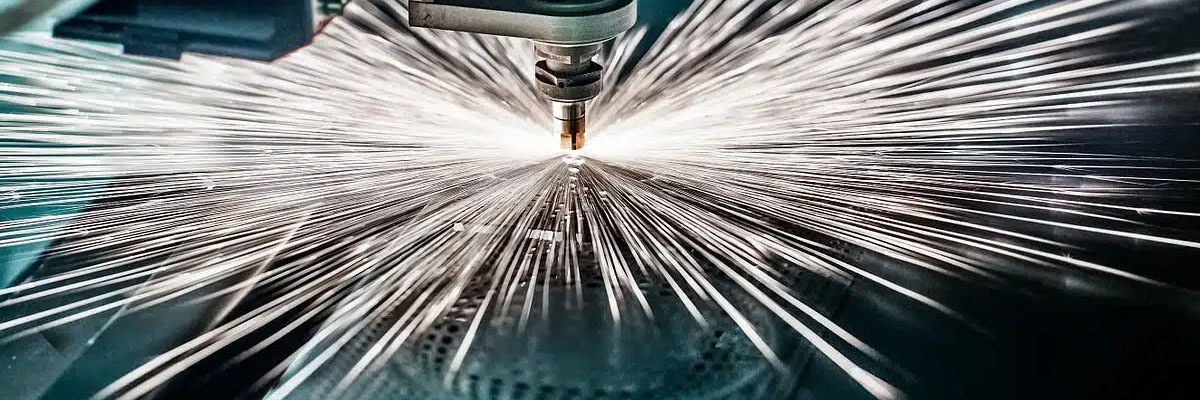
The choice of cutting technique determines how clean the cut will be and the accuracy. Laser cutting creates very clean and accurate edges with little distortion to the thin gauges. Plasma cutting suits thicker material where laser capacity isn’t available. Shearing and punching suit high-volume repetitive cuts where setup time pays off across a large batch. A sheet metal fabrication in Dubai operation that matches the cutting method to the job rather than defaulting to one approach for everything produces better results across a wider range of work.
Steel Fabrication in Dubai — Where Structural Requirements Raise the Stakes
Steel fabrication in Dubai covers structural and architectural applications that carry loads, require documented weld quality, and in many cases need third-party inspection before installation. Mezzanine floors, staircases, structural frames, handrails, equipment supports, and bespoke architectural steel all fall into this category.
Weld quality is where steel fabrication in Dubai separates professional operations from basic ones. Qualified welders working to defined weld procedures — AWS D1.1 for structural steel, EN 1090 for European-standard work — produce joints with documented strength and consistency. A steel fabrication in Dubai workshop that can provide weld procedure specifications and welder qualification records for structural work gives clients and inspectors the documentation that serious projects require.
Material traceability matters for steel fabrication in Dubai on regulated projects. Mill certificates confirming the material grade, chemical composition, and mechanical properties — traceable to the specific batch used — are required on many oil and gas, infrastructure, and government projects. A fabricator who keeps proper material records provides these without delay. One who doesn’t creates compliance issues that hold up inspections and payments.
Surface treatment protects the fabricated steel and the client’s long-term investment. Hot-dip galvanising for outdoor and corrosive environments. Epoxy primer and topcoat for industrial applications. Powder coating for architectural and interior work. Each has its application and its preparation requirements — steel that isn’t properly prepared before coating fails the coating prematurely regardless of the coating quality.
Where Sheet Metal and Structural Steel Overlap on Projects
Many fit-out and construction projects involve both sheet metal and structural steel — HVAC ductwork running alongside a structural mezzanine, architectural cladding attached to a steel subframe, an equipment enclosure integrated into a structural support system. A fabricator with capability across both categories reduces the coordination overhead of managing two separate suppliers for connected work.
Confirm These Before Any Order
Material grade and thickness specification confirmed in writing. Weld standard required for structural work. Surface treatment specification including preparation method. Dimensional tolerances that the fabrication needs to meet. Lead time confirmed against the installation programme.
Talk to Iron Clad Before Cutting Starts
IronClad ( https://www.ironcladsf.com/ ) handles sheet metal fabrication and structural steel fabrication for projects across Dubai. For contractors and project managers who need fabricated components that arrive correctly dimensioned, properly finished, and on schedule, getting the specification conversation done before production starts removes the most common causes of rework.