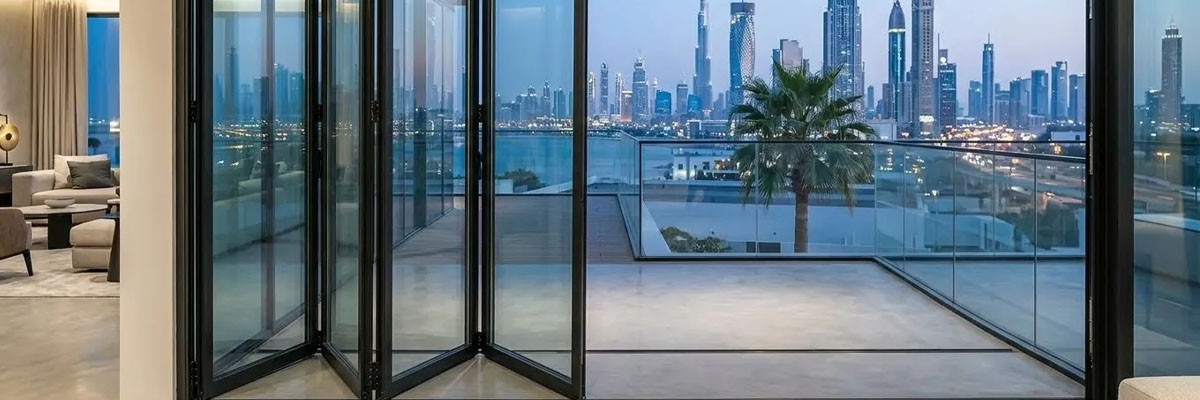
Metal Fabrication and BiFold Doors: Why Getting the Right Specialist Matters in Dubai
Most people don't think about metalwork until a project is already underway and something doesn't fit right. A door frame that's slightly off. A staircase railing that wobbles. Custom pieces that look nothing like what was discussed. Choosing the right fabricator before the job starts saves all of that.
Custom Metal Works in Dubai — What Separates Good Fabricators From Average Ones
Dubai's construction and fit-out scene is busy. That means there's no shortage of workshops offering metal fabrication. The quality gap between them, though, is wider than most clients expect until they've had a bad experience.
Custom metal works in Dubai covers a broad range — staircases, railings, gates, pergolas, structural steel, decorative facades, furniture frames, and more. The word "custom" is the important part. Anyone can cut and weld standard shapes. Building something that matches a specific design, fits exact dimensions, and holds up in Dubai's heat and humidity over time is a different level of work entirely.
Custom metal works in Dubai projects for residential clients often involve gates, balcony railings, and decorative screens. Commercial projects run bigger — lobby features, structural mezzanines, external cladding frames. Both require precision, but the commercial scale adds coordination with other trades, site access management, and tighter installation timelines.
One thing worth asking any fabricator upfront — do they handle design drawings in-house or does the client need to provide complete technical drawings? Some workshops need fully detailed shop drawings before they can start. Others have in-house draftsmen who translate a concept or sketch into fabrication-ready documentation. Knowing which applies saves confusion early.
Custom metal works in Dubai pricing varies significantly based on material, complexity, finish, and volume. Getting two or three quotes with the same detailed brief makes comparison meaningful. A quote based on a vague description and one based on detailed drawings are not really comparable numbers.
BiFold Door — Where Metal Fabrication Meets Everyday Function
A BiFold door is one of those things that looks simple but involves more precision than most people expect. Panels that fold and stack neatly, tracks that run smoothly, seals that actually keep dust and heat out — all of this depends on how accurately the door was fabricated and installed.
Metal BiFold door options are popular for a few reasons in the Dubai market. They handle large openings well. They stack compactly when open, maximizing the usable space on both sides. And steel or aluminium framed versions with glass panels suit the modern aesthetic of a lot of residential and commercial interiors here.
The most common complaint about a poorly made BiFold door isn't that it breaks. It's that it never quite worked smoothly from day one. Panels that drag slightly. A track that requires force to operate. Gaps that let in light where they shouldn't. These things trace back to fabrication tolerances — small measurement errors that multiply across multiple panels until the whole assembly is slightly off.
A well-made BiFold door operates with one hand and minimal effort. That's the standard to expect and the question to ask during a site visit — can they demonstrate a completed installation that works exactly that way?
Hardware selection matters too. Tracks, rollers, hinges, and locking mechanisms should be specified for the door's weight and frequency of use. A BiFold door on a busy commercial entrance gets used differently than one opening onto a residential terrace. The hardware has to match the application.
Where Iron Clad Comes In
Iron Clad ( https://www.ironcladsf.com/) works across custom metal fabrication and specialist door installations in Dubai. For clients who need fabrication done to a specific standard — not just something that vaguely resembles the brief — having a team that handles design, production, and installation under one roof reduces the coordination gaps where problems usually happen.